



20+ year of experience
Insurance Defense Lawyers
Personal attention
Eager to Protect our Clients Find out if you have a case Find out if you have a case
Social Media & Identity Theft: Protecting Yourself From Oversharing
Social media has changed how we connect and share our lives, but this accessibility comes with the heightened risk of Florida identity theft. What users see as harmless posts, check-ins, or profile details are often critical pieces of a puzzle that cybercriminals and fraudsters use to build a comprehensive profile about your life, allowing them potential unauthorized access to accounts and the ability to commit financial fraud.
Contact our Sharmin & Sharmin P.A. Florida social media protection attorney today for a free consultation.
How Oversharing Fuels Florida Social Media Identity Theft
Cyber-criminals can use information you share to answer security questions and execute targeted attacks. Many online accounts use personal details as security questions, such as asking your mother’s maiden name or the street you grew up on. When you fill out quizzes or post photos of your life, you could potentially be providing the exact data a thief needs to bypass security layers and reset passwords to your bank, email, or investment accounts.
Detailed posts about your life, your workplace, vacation dates, and hobbies can make it easier for criminals to craft highly personalized phishing emails. These emails may impersonate a friend, family member, or colleague using details only your social media feed would reveal, convincing you to click on malicious links or share account credentials.
Statistics show that a significant percentage of Florida identity theft and fraud complaints reported to the Federal Trade Commission (FTC) involve social media. Millions of dollars of losses are tied annually to these platforms.
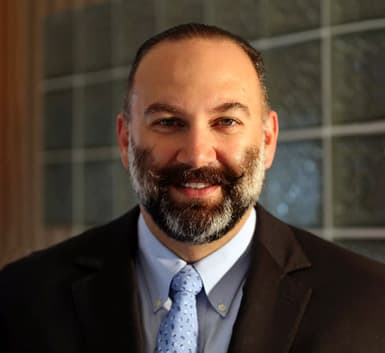
Meet Our Florida Identity Theft Attorney
Eiman Sharmin, Esq. is the founding attorney of Sharmin & Sharmin P.A. and an experienced trial lawyer dedicated to protecting individuals who have been treated unfairly. As the firm’s Senior Partner and Chief Litigation Counsel, he focuses on preparing cases for trial and fighting for the best possible outcome for his clients.
Attorney Sharmin represents individuals facing serious legal challenges, including credit card fraud, identity theft, and other fraud-related cases. His approach focuses on building strong cases, carefully examining the evidence, and aggressively defending his clients’ rights.
Earlier in his career, he served as a Certified Legal Intern at the Miami Public Defender’s Office, where he represented individuals accused of crimes who could not afford legal representation. This experience helped shape his commitment to protecting the rights of the accused and ensuring the government meets its burden of proof.
Key Information to Protect You From Social Media & Identity Theft in Florida
Protecting yourself requires adopting a strict, defensive mindset when sharing personal data online. It may seem obvious to never post or share photos of official documents, such as passports or licenses. But be cautious about revealing your full birthdate, hometown, or children’s identifying information, such as their school names.
When traveling, avoid posting photos or checking in real-time, and always disable geo-location tags. A foundational security practice is enabling Two-Factor Authentication (2FA) on all accounts and using strong, unique passwords managed by a secure application. Avoid online quizzes and surveys that ask for common security answers, such as the name of your first pet.
For effective Profile Management, set all accounts to private and be highly selective about friend requests. Regularly review privacy settings, limit profile details such as phone numbers and home addresses, and delete old, unused accounts to help secure your information from identity thieves.
Listen hands down some of the hardest working attorneys I’ve ever had the privilege to work with.
They have busted their buts with no guarantee in site and have gotten great results…
The Role of a Legal Advocate In a Florida Social Media Identity Fraud Case
Despite all preventative measures, no one is immune to identity theft, especially when large-scale data breaches expose personal information. If you become a victim of a false impersonation or identity theft that started on social media, the resulting financial chaos can be overwhelming.
While reporting to law enforcement is the first step in addressing the criminal act, recovering your financial health requires specialized civil litigation. An attorney focusing on consumer protection and the Fair Credit Reporting Act (FCRA) can take immediate legal action to pursue justice on your behalf. This includes legally compelling negligent credit bureaus to correct fraudulent entries and seeking compensation for your financial losses, credit repair costs, and emotional distress.
Social Media Identity Theft FAQs
What are common social media scams in Florida?
Common social media scams in Florida include impersonation scams, fake investment opportunities, romance scams, account takeovers, and phishing messages sent through direct messages or posts. Scammers often create fake profiles or hack legitimate accounts to trick users into sharing personal information, sending money, or clicking malicious links.
What causes social media identity theft in Florida?
Social media identity theft often occurs when criminals gain access to personal information shared online. This can happen through phishing attacks, weak passwords, data breaches, or publicly available information on social media profiles. Once scammers obtain this information, they may impersonate the victim, open fraudulent accounts, or commit financial crimes.
How do Florida laws address social media identity theft?
Florida law treats identity theft as a serious crime. Under Florida statutes, using another person’s personal information without permission to commit fraud can result in criminal charges, fines, and potential imprisonment. The severity of the penalties often depends on the amount of money involved and the nature of the fraudulent activity.
Can Florida authorities help report online identity theft?
Yes. Victims of online identity theft in Florida can report the crime to local law enforcement and file a report with the Federal Trade Commission (FTC). These reports help create an official record of the incident and may assist in investigations or efforts to restore the victim’s identity and financial accounts.
How does identity theft affect Florida residents online?
Identity theft can cause significant financial and personal harm. Victims may experience unauthorized transactions, damaged credit scores, fraudulent accounts opened in their name, or loss of control over their social media accounts. Recovering from identity theft can take time and may require legal assistance to resolve disputes and protect the victim’s rights.
Which social networks are most targeted in Florida?
Scammers often target popular social networks with large user bases. Platforms like Facebook, Instagram, LinkedIn, and X (formerly Twitter) are frequently used in impersonation scams, phishing attempts, and account takeovers. Because these platforms store personal information and connections, they can be attractive targets for identity thieves.
Contact Sharmin & Sharmin P.A. for Help With Florida Identity Fraud
If you suspect your identity has been stolen due to information shared on social media, you need to speak with an experienced legal advocate. Contact our team today for a free consultation to discuss your legal rights.